
Identifying Common Food Allergies in Children With Allergy Testing
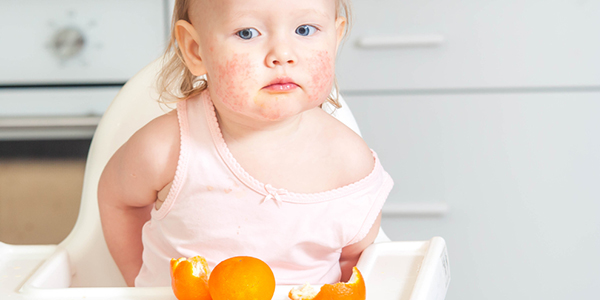
Food allergies in children are a growing concern worldwide, often manifesting as mild discomfort or severe, life-threatening reactions. Recognizing these allergies early is crucial for effective management and ensuring the child's safety and well-being. Allergy testing at a Children Hospital in Kukatpally plays a pivotal role in accurately identifying offending foods, thus aiding in tailored treatment plans.
Causes of Food Allergies in Children
Food allergies occur when a child's immune system mistakenly identifies specific foods as harmful invaders, triggering an immune response. Common culprits include peanuts, tree nuts (such as almonds and cashews), milk, eggs, soy, wheat, fish, and shellfish. The exact cause remains multifactorial, involving genetic predisposition, environmental factors, and changes in early feeding practices. For example, children with a family history of allergies are more susceptible, and early introduction of allergenic foods can influence the development of allergies. Additionally, factors like gut microbiota imbalance and exposure to certain environmental toxins may also contribute to the immune system's abnormal response.
The Role of Allergy Testing in Diagnosis
Accurately diagnosing food allergies requires a combination of a detailed medical history, symptom documentation, and allergy testing. Common testing methods for Children Allergy Testing in Kukatpally include skin prick tests (SPT), which involve placing small amounts of suspected allergens on the skin and observing for reactions, and serum-specific IgE blood tests, which measure allergen-specific antibodies. In some cases, oral food challenges under medical supervision are performed to confirm the diagnosis, especially when test results are inconclusive. These tests help differentiate between true IgE-mediated allergies, which pose immediate risks, and non-IgE allergies, which tend to have delayed symptoms. Parents searching for the best pediatrician in Kukatpally often realize that their child's recurring allergy symptoms warrant comprehensive allergy testing to ensure proper diagnosis and effective management.
Treatment Approaches
The fundamental approach to handling food allergies is to completely avoid the allergens that have been identified. Parents should be educated on reading food labels meticulously and recognizing hidden sources of allergens in processed foods. In emergency situations, carrying an epinephrine auto-injector is vital for immediate treatment of severe reactions like anaphylaxis. Pharmacological management of mild symptoms may include antihistamines and corticosteroids as prescribed by a healthcare professional. In recent years, oral immunotherapy (OIT) has emerged as a promising approach, gradually increasing the child's tolerance to specific allergens under medical supervision. However, this should only be undertaken in specialized centres by the Best Pediatric Doctor in Kukatpally.
Management Strategies for Food Allergies
Effective management extends beyond avoiding certain foods. Creating an allergy-safe environment is essential, which includes educating caregivers, teachers, and family members about the child's allergies. Emergency action plans should be clearly outlined and accessible at all times. For infants and young children, introducing allergenic foods early, in controlled amounts, can sometimes promote tolerance—a strategy supported by recent research. Regular follow-ups with an allergist help monitor the child's condition and adjust management plans accordingly. Additionally, the Best Children Allergy Hospital near Kukatpally also provide nutritional counseling to ensure that dietary restrictions do not lead to deficiencies, supporting overall growth and development.
Conclusion
Identifying and managing food allergies in children is a multifaceted process that hinges on precise diagnosis via allergy testing, understanding causes, and implementing comprehensive treatment and management plans. Dr. Kalyan Varma at Pragathi Clinic emphasizes the importance of early detection and tailored intervention to safeguard children’s health. By staying vigilant and informed, parents and caregivers can significantly improve quality of life for children with food allergies, ensuring they grow up safe, healthy, and confident.
Blog Navigation
- Common Allergies in Children And How to Manage Them
- Identifying Common Food Allergies in Children with Allergy Testing
- Managing Asthma in Children : Triggers, Treatments, and Lifestyle Adjustments
- What Is Pneumonia? Symptoms, Causes, and Who is at Risk?
- Child care in monsoon season during Covid pandemic
- Sneezy Child When To Worry & What To Do
- Influence of air pollution on respiratory health
- Causes for Childhood Obesity and Preventive Measures
- Pulmonary Fibrosis – Causes, Symptoms and Treatment
Newsletter
Subscribe our Newsletter to get latest events and new updates