
Common Allergies in Children And How to Manage Them
Allergies are a common health issue among children. They can cause discomfort and sometimes serious health problems if not managed properly. Understanding the most common allergies in children, their symptoms, and how to treat them can help parents keep their kids safe and healthy. If you are searching for the best care, you might want to look for the best pediatrician near me or visit reputable hospitals such as the best children allergy hospital near Bachupally.
What are Child Allergies?
Child allergies are reactions of the immune system to substances that are generally harmless to most people. These substances are called allergens. When a child is allergic, their immune system overreacts to these allergens, causing symptoms like sneezing, itching, or swelling. These reactions can vary from mild to severe. Common allergens include foods, pollen, dust mites, pet dander, and insect stings. Knowing the common allergies can help parents recognize symptoms early and seek appropriate treatment.
Common Allergies in Children
- Food Allergies: Many children develop allergies to foods like nuts, eggs, milk, soy, wheat, and shellfish. Food allergies can cause symptoms such as hives, stomach pain, vomiting, or even difficulty breathing. It’s important to identify food allergies early through proper testing and avoid these foods to prevent reactions.
- Allergic Rhinitis: Often called hay fever, allergic rhinitis affects many children and causes sneezing, runny nose, itchy eyes, and congestion. Pollen from trees, grasses, and weeds are common triggers. During allergy seasons, children with allergic rhinitis may experience more symptoms.
- Asthma: Asthma is a respiratory condition that can be triggered by allergies. Children with asthma may have wheezing, coughing, shortness of breath, and chest tightness. Allergens like pollen, dust, or pet dander often worsen asthma symptoms.
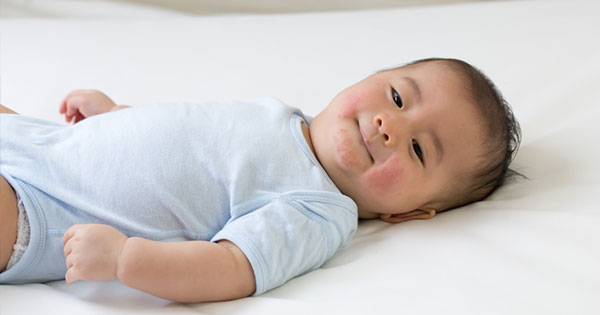
- Skin Allergies: Eczema or atopic dermatitis is a common skin allergy in children. It causes dry, itchy, and inflamed skin. Skin allergies can be triggered by soaps, detergents, or certain fabrics.
- Insect Allergies: Some children are allergic to insect stings or bites, which can cause swelling, pain, or in severe cases, anaphylaxis. Parents should be aware of this risk especially if their child is allergic to bee or wasp stings.
Recognizing symptoms of allergies
The symptoms of allergies in children can differ based on the specific allergy and how severe it is. Common signs include sneezing, coughing, itchy or watery eyes, runny nose, skin rashes, swelling, or difficulty breathing. In some cases, children may experience stomach pain or vomiting after eating certain foods. If your child shows severe symptoms like difficulty breathing, swelling of the face or throat, or loss of consciousness, seek emergency medical help immediately.
How to manage child allergies
Managing allergies in children requires a combination of avoiding triggers, medication, and sometimes, immunotherapy. Here are some key steps parents can take:
- Identify Triggers: The first step is to identify what causes your child's allergic reactions. Visiting a pediatric specialist near KPHB or the best pediatrician can help with diagnosis through allergy testing.
- Avoid Allergens: Once identified, parents should help children avoid these substances. For food allergies, this means reading labels carefully and avoiding foods that trigger reactions. For environmental allergies, keeping the home clean and reducing exposure to dust or pet dander is crucial.
- Medication: Over-the-counter antihistamines, nasal sprays, or prescribed medications by a pediatrician can control allergy symptoms. For severe reactions, your doctor may recommend an epinephrine auto-injector. Always consult with a pediatrician in Kukatpally or nearby clinics like Pragathi Clinic for suitable medication management.
- Immunotherapy: In some cases, allergy shots or tablets can help reduce sensitivity over time. This treatment is typically administered by an allergist or a pediatric specialist.
The role of a pediatrician in managing allergies
A pediatrician plays a vital role in diagnosing and managing allergies. They can provide allergy testing, prescribe medication, and offer guidance on avoiding triggers. If you are searching for the best care, visiting a reputable pediatrician or a trusted healthcare facility can ensure your child receives the right treatment. Dr. Kalyan Varma is a well-known pediatrician who specializes in allergy management and can offer personalized care for children allergy treatment in KPHB.
When to seek specialized allergy care
While many allergies can be managed with basic precautions and medications, some cases require specialized treatment. If your child has frequent or severe allergic reactions, or if standard treatments are not effective, consulting an allergy specialist is essential. The best children allergy hospital in Bachupally provides comprehensive allergy diagnosis and treatment options, including advanced testing and immunotherapy.
Preventing allergies in children
Prevention is better than cure. To reduce the risk of allergies developing or worsening in children, keep your home clean, limit exposure to tobacco smoke, and introduce a variety of foods gradually to identify allergies early. Breastfeeding your baby for the first six months can also help strengthen their immune system. Regular visits to a pediatrician can help monitor and manage any emerging allergy symptoms.
Final thoughts
Child allergies are common but manageable with proper awareness and care. Recognizing symptoms early, avoiding triggers, and seeking professional help are key steps in managing allergies effectively. Whether you need a pediatric specialist, a trusted pediatrician, or expert care at a specialized hospital, there are many options available to ensure your child's health. For personalized advice and treatment, consulting Dr. Kalyan Varma or visiting Pragathi Clinic can provide the support you need to keep your child safe and comfortable.
In conclusion, understanding common allergies in children and adopting effective management strategies can make a significant difference in your child's quality of life. Stay vigilant, seek timely medical advice, and ensure a safe environment for your little one to thrive.
Blog Navigation
- Common Allergies in Children And How to Manage Them
- Identifying Common Food Allergies in Children with Allergy Testing
- Managing Asthma in Children : Triggers, Treatments, and Lifestyle Adjustments
- What Is Pneumonia? Symptoms, Causes, and Who is at Risk?
- Child care in monsoon season during Covid pandemic
- Sneezy Child When To Worry & What To Do
- Influence of air pollution on respiratory health
- Causes for Childhood Obesity and Preventive Measures
- Pulmonary Fibrosis – Causes, Symptoms and Treatment
Newsletter
Subscribe our Newsletter to get latest events and new updates